Blonde rarely leaves the salon looking dull. It goes dull at home, a little at a time, until the color that looked clean and bright in Mount Holly starts to look yellow, flat, or slightly green around the ends. Most of that change is not the original color failing. It is minerals, sun, heat, and washing habits laying a film over lightened hair, or pulling the toner out before its time.
The good news is that blonde is checkable. You do not need a shelf of new products every month. You need a short routine you can run in order, with clear signs for what is working and what needs a toner refresh at Uptown Salon instead of another home fix.
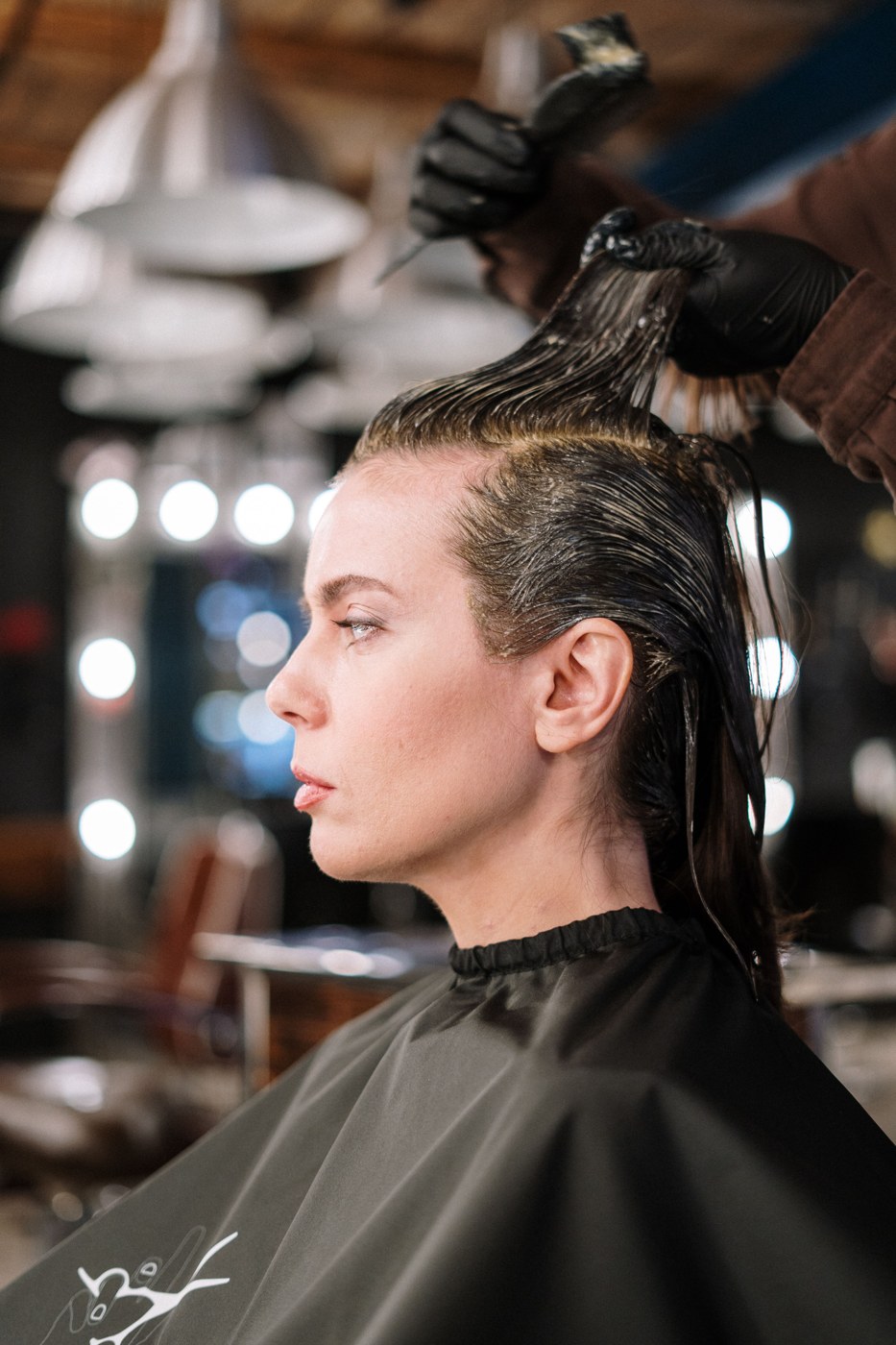
Why blonde loses its brightness first
Lightened hair is more porous than uncolored hair. The lightening process lifts the cuticle and removes natural pigment, which is what allows hair to reach pale blonde shades in the first place. That same openness means the strand picks up other things easily. Iron and copper in tap water, chlorine, sunscreen overspray, and even heavy styling products can settle into the porous ends and shift the tone.
Toner works in the opposite direction. A toner is a sheer deposit of pigment, often violet or ash based, that cancels unwanted yellow or orange for a few weeks. Because it sits lightly and is not permanent, it fades with washing. When the toner goes, the warm undertone underneath shows again. That is normal timing, not damage, and it is why a short refresh visit between full color appointments does so much.
Run the checklist in order
Work through the list below from the top. The early items are daily habits that protect every blonde. The later items tell you when home care has done all it can and the answer is a salon toner, a clarifying treatment, or a trim of tired ends.
The between-appointments blonde checklist
- Water check: Pass if your blonde looks the same wet and dry. Fail sign is a greenish or rusty cast that shows up most on the ends, which points to mineral or pool buildup rather than toner fade alone.
- Wash check: Pass if you are washing two to three times a week for most hair types, with lukewarm water. Fail sign is daily hot washing, which strips toner noticeably faster.
- Purple shampoo check: Pass if you use it once a week or once every two weeks, leave it on only as long as the label directs, and rinse well. Fail sign is purple or lilac patches on the most porous ends from leaving it on too long or using it every wash.
- Heat check: Pass if a heat protectant goes on before any dryer, flat iron, or curling iron, every time. Fail sign is a straw-like feel at the front hairline, where heat is applied most often.
- Sun check: Pass if long outdoor time in Piedmont summer sun comes with a hat or a leave-in product with UV protection. Fail sign is the top layer lightening and drying faster than the hair underneath.
- Ends check: Pass if the ends comb through without catching. Fail sign is tangling and a rough texture that no conditioner smooths, which usually means the ends need cutting, not more product.
- Tone check: Pass if the color still looks clean at the roots but slightly warm through the middle. That pattern is the classic sign a toner refresh, not a full recolor, will restore it.
Purple shampoo, used the way it actually works
Purple shampoo cancels yellow because purple sits opposite yellow on the color wheel. It does not lighten hair, brighten dull buildup, or fix orange tones in darker blonde. Used too often, it can make pale hair look darker and slightly drab, because you are adding pigment on top of pigment.
A practical pattern is to use your regular gentle shampoo for most washes and swap in the purple shampoo on a set day. Work it through evenly, watch the clock, and follow with conditioner, since most purple formulas are not especially moisturizing. If one section grabs purple faster, usually the front or the ends, apply there last next time.
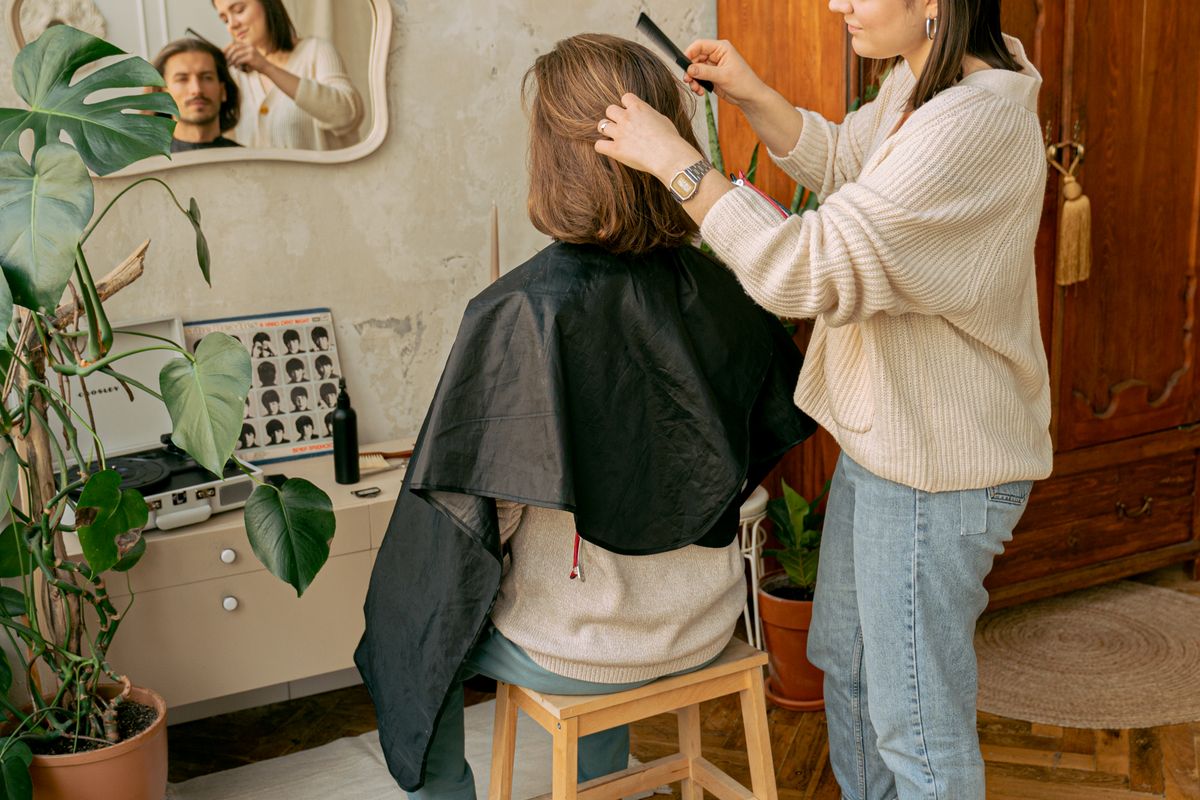
Heat, sun, and pool water in a North Carolina summer
Mount Holly summers combine strong sun, humidity, and a lot of pool and lake time, and blonde feels all three. Wet hair before swimming with clean water so it absorbs less chlorinated water, pull it up out of the pool when you can, and rinse after swimming rather than letting it dry in place. A clarifying wash after a heavy pool week can remove buildup, but use it sparingly, because clarifying shampoos also move toner along faster.
Heat styling is the quieter cause. A protectant, a moderate dryer setting, and keeping irons moving instead of clamped in one spot preserve both tone and texture. Yellow that returns within days of a toner often traces back to very hot irons scorching the surface and exposing warm undertone again.
When the answer is a toner refresh
If your checklist shows clean habits but the tone is still warm, the toner has simply reached the end of its life. A refresh visit reapplies that sheer corrective tone without repeating the whole lightening process. It is shorter than a full color appointment and is meant for exactly this middle period. Bring a note of what you noticed and when: yellow through the middle, green after swimming, or purple patches from shampoo. That pattern helps a stylist choose between a toner, a clarifying step first, or both, rather than guessing.
Common questions
How long should toner last on blonde hair?
Most toners fade gradually over several weeks, depending on how often you wash, how hot the water is, and how much heat and sun the hair gets. Daily washing and frequent hot tools shorten that window noticeably.
Can purple shampoo replace a toner appointment?
No. Purple shampoo maintains tone between visits by countering light yellow, but it cannot restore a faded toner evenly or correct stronger warmth. Think of it as maintenance, not a replacement service.
Why do my ends turn yellow faster than the rest?
Ends are older, more porous, and have been lightened and styled more times. They grab minerals and lose toner faster than newer hair near the root, so they usually show dullness and warmth first.
Photos in this guide are representative stock images.
← All guides from Uptown Salon← Back to Uptown Salon