Ask five people in Mount Holly how often to wash hair and you will get five confident answers, most of them rules they heard years ago. Wash every day or your scalp suffers. Never wash more than once a week or you strip everything. Train your hair and it will stop getting oily. Some of that is true for some hair. Almost none of it is true for all hair.
The honest answer depends on three things you can actually observe: how much oil your scalp produces, what your hair texture does with that oil, and what your week puts in your hair, from workouts to pollen to styling product. Sorting the common claims first makes the personal answer much easier to find.
The claims, sorted
| Claim | Verdict | Why |
|---|---|---|
| Washing every day damages all hair | False as a rule | Fine, straight, oily hair often looks and feels better washed daily with a gentle shampoo. Damage comes more from harsh cleansers, hot water, and rough handling than from frequency alone. |
| You can train your scalp to produce less oil | Mostly false | Oil production is driven by hormones and genetics, not by your wash schedule. Stretching washes may let you notice oil less, but it does not reset how much your scalp makes. |
| Curly and coily hair usually needs less frequent washing | True for most | Scalp oil travels slowly down a curved strand, so lengths stay drier. These textures often do well washing once a week or less, with moisture as the priority. |
| Dry shampoo cleans your hair | False | Dry shampoo absorbs surface oil and buys a day of appearance. It removes nothing from the scalp, and buildup of it can itch and flake if it substitutes for washing too long. |
| A second shampoo in the same shower is wasteful | It depends | After heavy product, sweat, or several days between washes, a first cleanse loosens buildup and a second actually cleans the scalp. On a light day, one thorough wash is enough. |
| If your scalp itches, you should wash less | Usually false | Itch more often signals buildup, sweat, or a scalp condition that improves with proper cleansing. Persistent itching, flaking, or sores deserve a medical look, not a longer gap. |
Start with texture, then adjust for oil
Texture decides how far scalp oil travels. On straight hair, oil moves down a smooth shaft quickly, which is why straight, fine hair can look flat and separated at the roots within a day. That hair is not dirty in any serious sense. It is coated. Frequent gentle washing suits it, and heavy conditioners on the roots make the cycle faster.
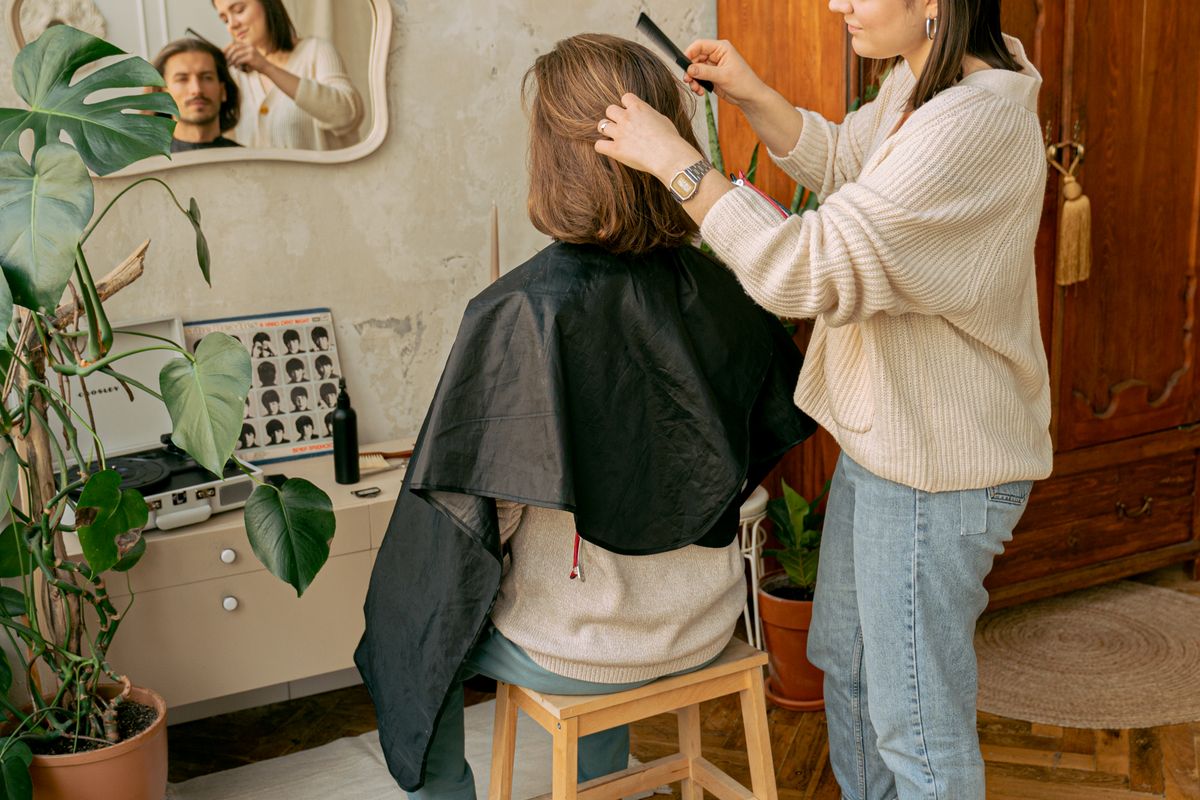
Wavy hair sits in the middle. Many wavy clients in Piedmont North Carolina do well every two to three days, washing sooner in humid summer weeks when sweat and frizz change the equation. Curly and coily hair holds oil near the scalp and leaves the ends dry, so the problem is inverted: the scalp may be ready to wash while the lengths are begging for moisture. Less frequent washing, conditioner through the lengths, and scalp-focused cleansing fit that pattern. At Uptown Salon, wash timing is one of the first things a stylist can help calibrate during a cut, because they can see both the scalp pattern and how the ends behave.
Activity, season, and product load count too
A desk week and a training week are not the same week for your scalp. Daily workouts, helmets and hats, yard work in red clay dust, and spring pollen season all add sweat and debris that a texture rule alone does not cover. Rinsing with water and conditioning the lengths, without a full shampoo every time, is a workable middle path for active people with drier hair. A full wash after a genuinely heavy day is not a failure of your routine.
Product load matters the same way. One light styling product rinses out easily. Layers of dry shampoo, texture spray, and hairspray over four days need a real cleanse, occasionally with a clarifying shampoo, or the scalp ends up itchy under the buildup. Judge the wash by what is on the hair, not only by the calendar.
The double-cleanse question, settled practically
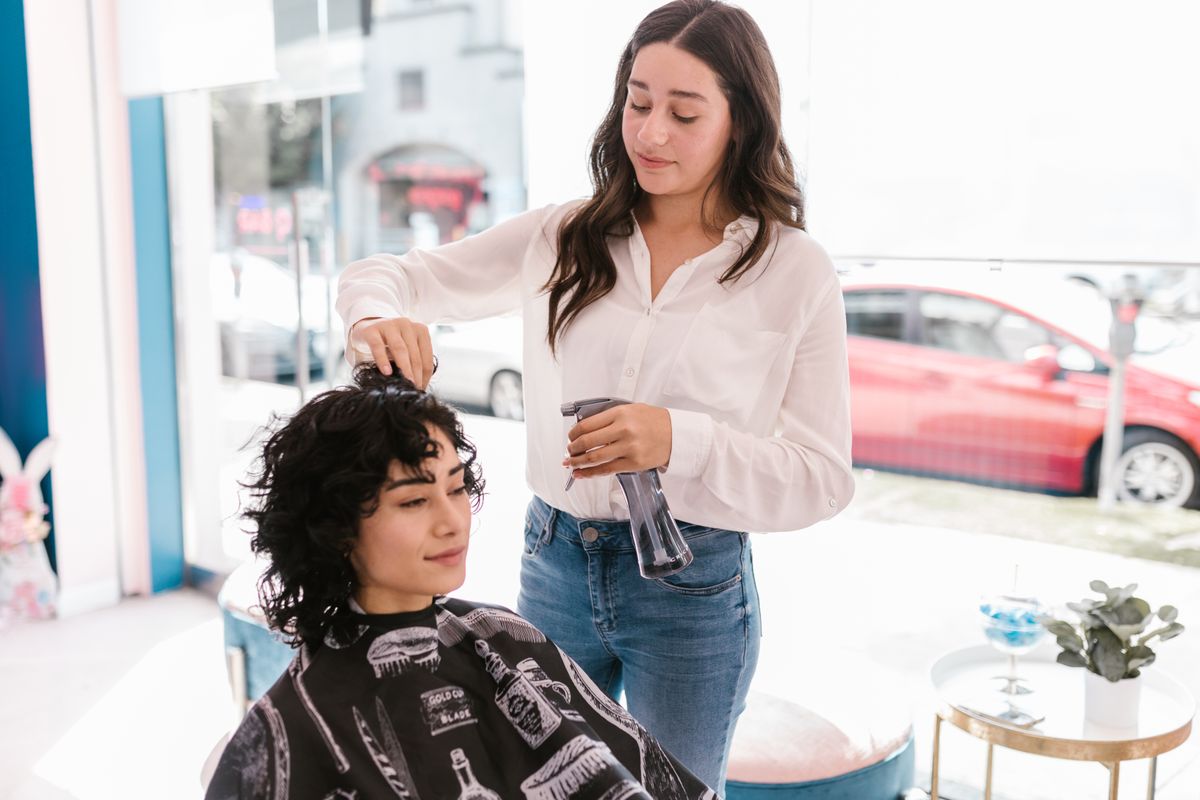
Double cleansing means shampooing twice in one shower. The first pass breaks up oil, product, and sweat. The second pass, on hair that is already loosened up, lathers more and cleans the scalp itself. You can tell the difference by the lather: a weak, thin first lather after several days is a sign the shampoo spent itself on buildup.
Use two passes when you have gone several days, used heavy product, or worked up a real sweat. Use one pass when you washed yesterday and the hair feels close to clean. Either way, work shampoo mainly at the scalp with fingertips, let the rinse clean the lengths, and condition from mid-length down. That technique does more for most people than changing frequency by a day in either direction.
Finding your number
Start from your texture, pick a starting interval, then adjust by one day based on two signs only: how the scalp feels at the end of the interval, and how the ends feel after washing. Scalp greasy and flat, wash sooner. Ends dry and rough, wash less often or condition more. Give a new interval two weeks before judging it, because a single humid Mount Holly weekend can mislead you. The right frequency is the one where both ends of the strand are reasonably comfortable, and for most people that is a range, not a single magic number.
Common questions
Is it bad to wash hair every day if I work out daily?
Not if you use a gentle shampoo, focus on the scalp, and condition the lengths. On lighter workout days, a water rinse and conditioner may be enough, but daily washing itself is fine for many hair types.
Why does my hair get oily by evening on the first day?
Fine, straight hair shows scalp oil quickly because oil travels down it easily. Hormones, heat, humidity, touching your hair, and conditioner applied at the roots all make it show sooner.
Should color-treated hair be washed less often?
Generally yes, because every wash moves some color, especially reds and toners. Cooler water, color-safe shampoo, and spacing washes where your texture allows will extend color without leaving the scalp neglected.
Photos in this guide are representative stock images.
← All guides from Uptown Salon← Back to Uptown Salon